Gen Z Is Changing India’s Workplace Rules
 By sonali.kohli
26 Nov 2026
3 min read
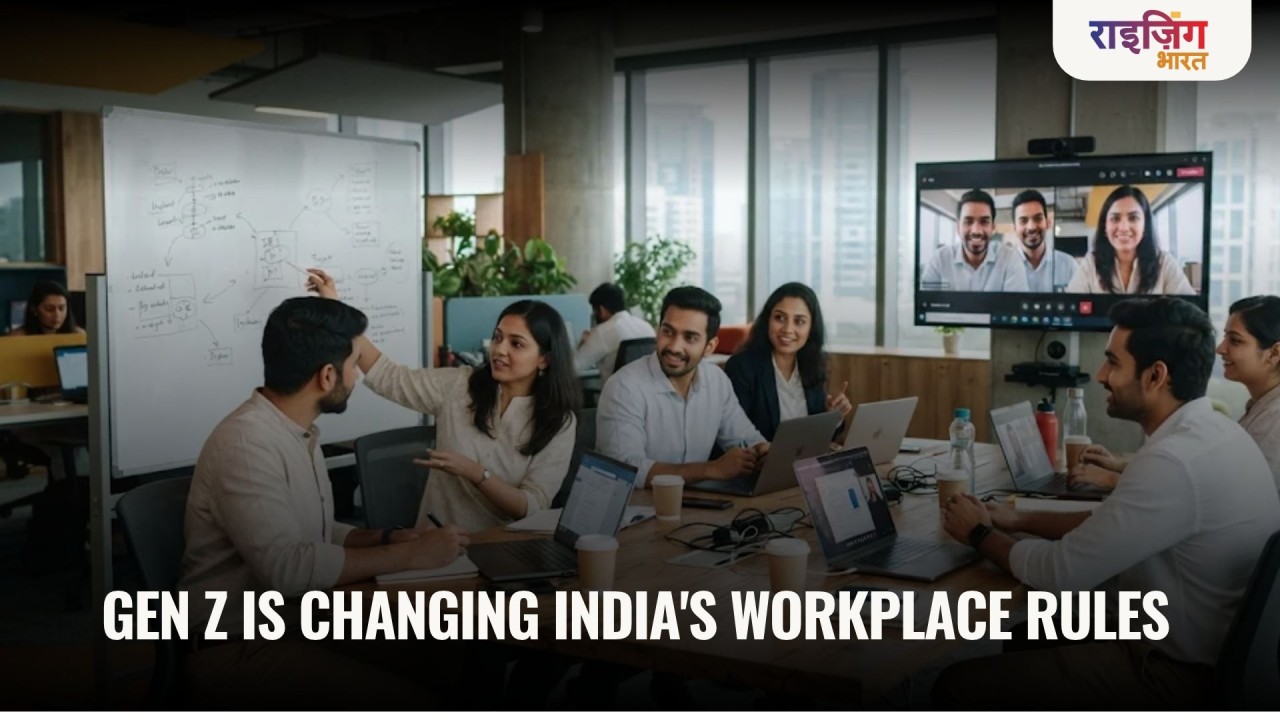
For decades, success in the workplace followed a familiar formula: secure a stable job, climb the corporate ladder, and remain loyal to one organization for years. But a new generation is rewriting that script. As Gen Z enters the workforce in growing numbers, India’s workplaces are undergoing a profound transformation, shaped by new expectations around flexibility, purpose, and personal growth.
Born into a digital-first world, Gen Z has grown up with instant access to information, global opportunities, and diverse perspectives. As a result, they approach work differently from previous generations. For them, employment is not merely a source of income. It is an extension of identity, values, and aspirations.
One of the biggest shifts Gen Z is driving is the demand for flexibility. Traditional notions of fixed schedules and rigid office attendance are increasingly being questioned. Many young professionals value outcomes over hours spent at a desk. Hybrid work models, flexible timing, and remote collaboration are no longer seen as perks but as important factors in choosing an employer. They seek work environments that allow them to balance professional responsibilities with personal well-being, learning, and interests.
Equally significant is their desire for purpose. Gen Z employees want to understand how their work contributes to a larger goal. They are more likely to engage with organizations that demonstrate a clear mission, social responsibility, and positive impact. Whether it is sustainability, community development, innovation, or ethical business practices, they prefer employers whose values align with their own. A competitive salary remains important, but it is often not the sole deciding factor.
The emphasis on growth is another defining characteristic of this generation. Unlike previous workplace models that prioritized long-term tenure, Gen Z professionals actively seek continuous learning and career development. They are eager to acquire new skills, explore different roles, and embrace emerging technologies. Organizations that invest in mentoring, upskilling, and leadership development are more likely to attract and retain young talent.
Technology also plays a central role in shaping their workplace preferences. Having grown up with smartphones, social media, and digital tools, Gen Z expects seamless communication and efficient systems. Outdated processes and bureaucratic structures can quickly become sources of frustration. They appreciate workplaces that leverage technology to simplify tasks, encourage collaboration, and foster innovation.
However, this transformation is not a one-sided demand. It presents an opportunity for organizations to evolve and become more resilient. Companies that listen to younger employees often discover fresh perspectives, innovative ideas, and new approaches to problem-solving. By embracing flexibility, encouraging purpose-driven work, and creating pathways for continuous growth, businesses can build more engaged and future-ready teams.
India stands at a unique moment in its demographic journey. With one of the world’s youngest populations, the influence of Gen Z on the nation’s workforce will only continue to grow. Their expectations may challenge long-held workplace norms, but they are also encouraging organizations to become more adaptive, inclusive, and human-centered.
The workplace of the future is no longer being designed solely by management. Increasingly, it is being shaped by a generation that values freedom, meaning, and growth as much as professional success. And in many ways, that change may benefit everyone.