
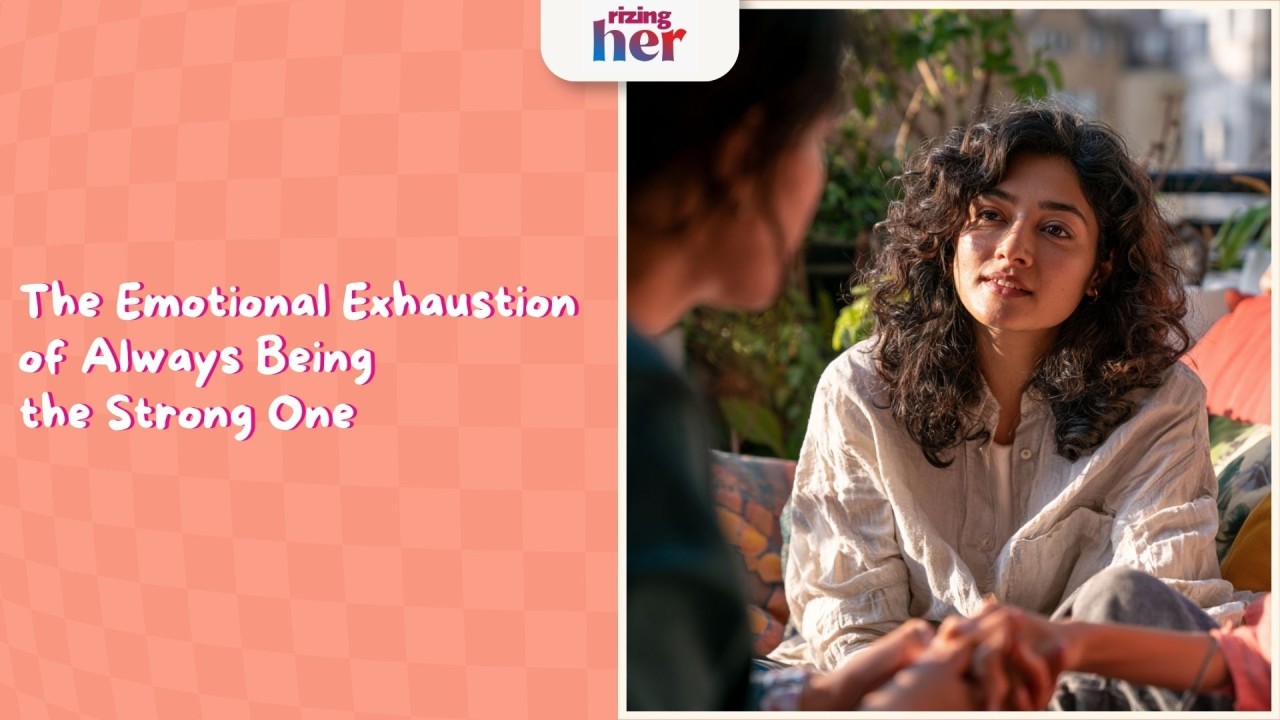
The Emotional Exhaustion of Always Being the Strong One
 By sonali.kohli
26 Nov 2026
3 min read
There is a particular kind of exhaustion that comes from being the person everyone turns to. The one who stays calm when things go wrong, finds solutions when others are overwhelmed and makes sure everything keeps moving. She is dependable, composed and rarely asks for help. But behind that image of strength, there may be someone who is quietly running out of energy.
For many women, being strong is not simply a personality trait. It is a role they gradually learn to occupy. At home, they may be the ones managing family responsibilities, anticipating everyone’s needs and keeping relationships together. At work, they are expected to be capable, responsive and resilient. Even when life becomes difficult, there can be an unspoken expectation that they will manage without letting their struggles affect anyone else.
Over time, this expectation can become difficult to step away from.
The problem is not strength itself. It is the assumption that strength means never needing support. Women who are used to being the dependable person may find it uncomfortable to admit that they are struggling. They may worry about burdening others, appearing incapable or disappointing people who have come to rely on them. Sometimes, they may not even know how to ask for help because they have spent so long being the one who provides it.
This can create a quiet form of emotional exhaustion. It is not always visible. A woman may continue showing up for meetings, caring for her family, responding to messages and fulfilling everyday responsibilities while feeling mentally and emotionally depleted. She may have little space to process her own feelings because she is constantly making room for everyone else’s.
There is also a difference between being trusted and being taken for granted. When someone is consistently capable, the people around them may stop checking whether they are coping. Their willingness to handle difficult situations can gradually become an expectation rather than something others recognise or appreciate. The stronger they appear, the less likely people may be to notice when they need support.
Recognising this exhaustion requires questioning what strength has come to mean. Being strong does not have to mean being endlessly available, emotionally unaffected or capable of solving every problem alone. It can also mean acknowledging that something is difficult, setting limits and allowing other people to share responsibilities.
Asking for help does not diminish a person’s ability. Nor does taking a step back mean that someone has stopped caring. It simply recognises that emotional energy, like physical energy, is not unlimited.
Perhaps the more important question is not how women can become stronger, but why they are so often expected to be strong without support.
Women should be able to have difficult days without feeling that they have failed someone. They should be able to say they are overwhelmed without having to justify it. And they should be able to receive the same care and consideration they routinely extend to others.
Because being the strong one should never mean having to carry everything alone.